
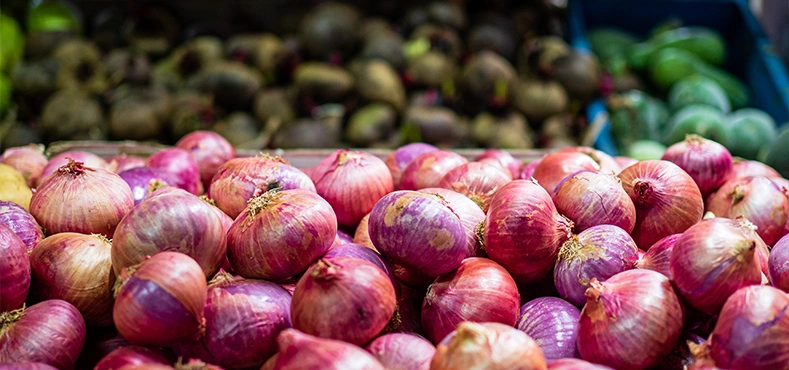
Onions are a kitchen essential across the globe—loved for their flavor, shelf stability, and role in cuisines ranging from curry to consommé. But for importers and distributors, ensuring a steady, high-quality supply of onions takes more than just securing a container. It demands a strategic approach and deep expertise in the international onion trade.
In this blog, we explore 8 essential insights for sourcing and importing fresh onions in 2025—and how Fresh Load International helps you navigate this essential but often underestimated segment of the produce industry.
1. Origin Determines Value
From India to Egypt, the Netherlands to Mexico—onion-exporting countries differ in bulb size, skin texture, water content, and shelf life. Each origin brings specific advantages depending on your market’s cooking styles, storage preferences, and price points. Choosing the right source country helps you match quality with demand.
2. Seasonality Requires Smart Planning
Onion availability fluctuates with regional harvests. For instance, Indian onions peak between November and May, while European harvests dominate in late summer. Aligning your imports with the global calendar minimizes costs and maximizes freshness. Strategic sourcing fills supply gaps before they impact your inventory.
3. Curing and Dryness Matter
Unlike many perishables, onions require a well-dried, cured outer layer to ensure durability in shipping and storage. Working with growers who follow post-harvest best practices ensures the onions arrive firm, mold-free, and retail-ready. Poor curing leads to shrinkage, sprouting, and early spoilage.
4. Packaging Makes a Difference
Mesh sacks, ventilated cartons, and protective layering are essential to maintaining quality during long hauls. Good packaging ensures airflow, prevents bruising, and supports extended shelf life—especially important for onions that travel across continents.
5. Temperature Control Prevents Sprouting
While onions don’t require cold chain storage like tropical fruits, they still demand proper temperature regulation. Shipping at 0°C to 4°C helps preserve firmness and slows down the sprouting process, ensuring your onions remain fresh and sellable longer.
6. Certifications Ensure Market Access
For international shipments, certifications like GlobalG.A.P., ISO, or organic accreditations provide credibility and ease of access into regulated markets. Certified onions signal traceability, food safety, and sustainability to both regulators and consumers.
7. Global Demand is Expanding
Rising populations, food processing industries, and the global boom in home cooking are fueling onion demand. From fresh produce aisles to dehydrated and powdered formats, onions are essential to food systems worldwide. Early movers can capture loyal supply chains and favorable rates.
8. Expert Partners Keep You Competitive
Importing onions isn’t just about purchasing—it involves market timing, origin expertise, pest and disease controls, freight risk mitigation, and inventory coordination. That’s where Fresh Load International steps in. With a global sourcing network and a commitment to quality, we handle the complexity—so you can focus on your customers.
Fresh Load International: Bringing the Best Bulbs to Your Business
At Fresh Load International, we deliver high-grade, farm-fresh onions with expert care and logistical excellence. Our supplier network, quality inspections, and market intelligence ensure you receive well-cured, export-quality onions right when you need them. Whether red, yellow, or white—our produce adds flavor to your shelves and confidence to your sourcing.
Looking to scale your onion supply? Call us at +971547515179 and import smarter with Fresh Load International.
Comments are closed